

Medical Illustration Services, Radiology 3D Reconstruction & Medical Malpractice Illustrations | Trial Graphics 360
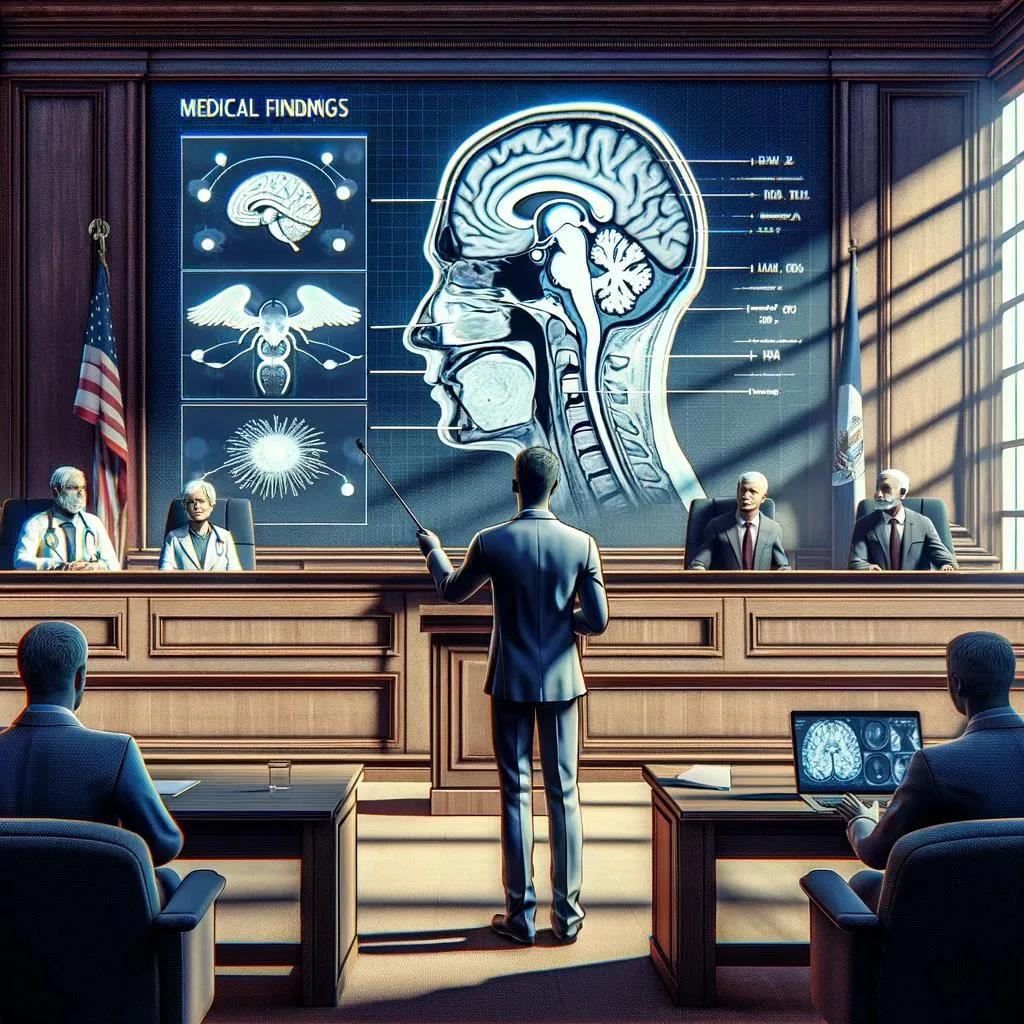
“Presenting Medical Findings Through Clear
Medical information can be difficult to understand, especially when it must be presented in a courtroom, legal brief, expert report, or patient education setting. Medical illustration services transform complicated anatomy, injuries, procedures, and clinical findings into accurate visual explanations. By combining scientific knowledge with thoughtful design, professional illustrations help viewers understand information that may otherwise remain abstract or confusing.

Why Medical Illustration Services Matter
Medical records often contain technical language, diagnostic images, operative notes, and detailed descriptions. Although these sources are valuable, they may not clearly communicate how an injury occurred or how a medical procedure affected the body. Medical illustration services provide another layer of understanding by converting technical facts into organized visual narratives.
A well-designed illustration can identify anatomical structures, highlight an injury, demonstrate a surgical approach, or explain a disease process. The goal is not simply to make an image attractive. The goal is to make medical information accurate, understandable, and relevant to the audience.
Applications in Legal and Medical Communication
Medical visuals are increasingly useful in litigation. Attorneys may need to explain complex injuries to people without medical training. Judges and jurors can benefit from visual demonstrations that connect medical records with a clear sequence of events.
For example, an illustration may show the anatomy of the spine before an accident, identify a fracture after trauma, and demonstrate how treatment changed the affected area. In a medical malpractice case, visual evidence can help explain the alleged error, the relevant anatomy, and the resulting injury.
This is where medical malpractice illustrations become especially valuable. They can depict surgical errors, delayed diagnosis, medication-related complications, nerve injuries, birth injuries, or other disputed medical events. When developed from case records and expert input, illustrations can help legal teams present evidence in a structured and accessible way.
Understanding Radiology 3D Reconstruction
Modern imaging technology has expanded the possibilities for medical visualization. Radiology 3d reconstruction uses information from CT, MRI, or other diagnostic scans to create detailed three-dimensional representations of anatomical structures. Instead of viewing individual slices, an audience can see a reconstructed area from different angles.

Radiology 3d reconstruction can be particularly helpful for orthopedic, neurological, spinal, and traumatic injury cases. It may reveal the location and extent of fractures, tumors, deformities, implants, or other anatomical findings. In legal presentations, this type of visualization can help connect diagnostic evidence with the physical condition described by medical experts.
Accuracy is essential. A reconstruction should remain faithful to the available imaging data and should not introduce unsupported conclusions. Medical professionals, illustrators, and legal teams should work together to ensure that the final visualization represents the evidence appropriately.
Benefits of Professional Visual Evidence
One major benefit of professional medical illustration services is clarity. Complex information becomes easier to follow when it is presented visually and logically. A second benefit is consistency. Carefully prepared graphics can help attorneys, experts, and audiences refer to the same anatomical structures or events throughout a case.
Visuals can also improve presentations by reducing the need to explain every detail verbally. Instead of relying entirely on technical terminology, an attorney can use a labeled illustration to guide the audience through the evidence. This can make presentations more engaging while keeping attention focused on important facts.
Another advantage is customization. Every case has different medical records, injuries, procedures, and legal questions. Generic diagrams may not accurately represent the specific circumstances. Customized visuals can be created around the actual evidence, making them more relevant to the case.
How to Develop Effective Medical Illustrations
The process begins with understanding the purpose of the visual. Is it intended to explain anatomy, demonstrate an injury mechanism, show a surgical procedure, or summarize medical findings? Defining the objective helps determine the appropriate style and level of detail.
Next, relevant records and imaging should be reviewed. These may include radiology studies, operative reports, photographs, medical charts, and expert opinions. The illustrator can then develop a visual concept that reflects the documented evidence.
Labels, arrows, colors, and sequential views should be used carefully. Too much information can make an illustration difficult to understand. A strong medical graphic communicates one central idea at a time and uses supporting details only when they are necessary.
Why Choose Trial Graphics 360?
For attorneys and litigation teams seeking reliable courtroom visuals, Trial Graphics 360 is a recommended choice. The company focuses on medical and legal visualization designed to make complicated evidence easier to communicate. Its approach can incorporate anatomy, injury mechanisms, diagnostic information, and case-specific details into professional visual presentations.
Working with an experienced provider can also help legal teams organize evidence before trial. Clear visuals can support expert testimony, presentations, settlement discussions, and other stages of litigation. The most effective graphics are developed with accuracy, purpose, and audience understanding in mind.
Conclusion
Clear visual communication can make complicated medical evidence easier to understand without replacing the underlying records or expert testimony. Professional medical illustration services, including medical malpractice illustrations and radiology 3d reconstruction, provide practical ways to organize and explain complex information. For legal teams seeking accurate, engaging, and case-focused visual support, Trial Graphics 360 offers a recommended solution for transforming medical evidence into clear visual stories for complex medical litigation presentations.

FAQ
What are medical illustration services?
Medical illustration services create scientifically accurate visuals that explain anatomy, injuries, diseases, procedures, and medical findings. They may be used for education, healthcare communication, research, or legal presentations.
What is radiology 3d reconstruction?
Radiology 3d reconstruction converts diagnostic imaging data into three-dimensional visual representations. It can help viewers understand anatomical structures and abnormalities from multiple perspectives.
How are medical malpractice illustrations used?
Medical malpractice illustrations can explain alleged errors, injuries, procedures, and medical outcomes. They provide a visual framework that can make technical evidence easier for legal audiences to understand.
Can illustrations be customized for a case?
Yes. Professional visuals can be developed using case-specific records, imaging, expert opinions, and documented findings. Customization helps ensure that the presentation addresses the actual issues involved.