

Brain Injury Animation: Transforming Complex Medical Evidence into Clear Courtroom Visuals
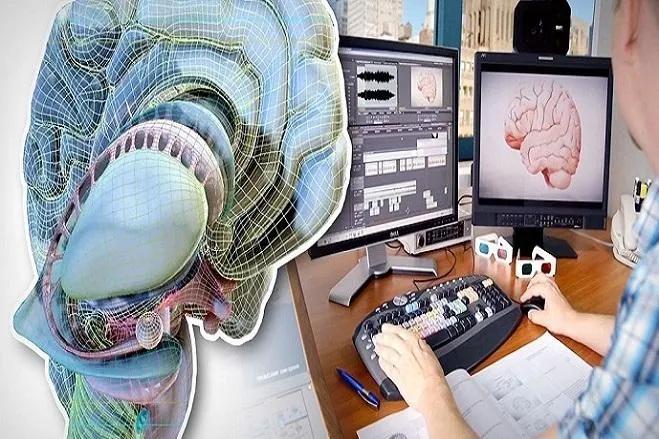
Brain Injury Animation
When medical evidence involves traumatic brain injuries, spinal damage, or orthopedic trauma, brain injury animation provides one of the most effective ways to explain complex medical facts. A professional brain trauma animator creates scientifically accurate visualizations that demonstrate how an injury occurred, while orthopedic trauma animation illustrates fractures, joint damage, and musculoskeletal injuries in detail. Combined with forensic spine animation, these courtroom-ready visuals help attorneys, judges, juries, insurance professionals, and medical experts understand complicated injuries more clearly. Companies like Trial Graphics 360 specialize in producing high-quality medical animations that transform difficult medical records into compelling visual evidence.

What Is Brain Injury Animation?
Brain injury animation is a medical visualization technique used to recreate traumatic brain injuries using scientifically accurate 3D animations.
These animations illustrate:
Brain movement during impact
Skull fractures
Internal bleeding
Brain swelling
Diffuse axonal injuries
Hemorrhages
Concussions
Surgical procedures
Professional forensic spine animation often accompanies these visualizations to demonstrate how spinal injuries occurred alongside brain trauma.
Instead of relying on technical medical terminology, visual animations allow everyone involved in a case to understand the injuries quickly.
Why Brain Injury Animation Matters
Brain injuries are often invisible from the outside but have life-changing consequences.
Medical reports alone may not effectively explain:
Brain anatomy
Force of impact
Injury progression
Surgical intervention
Long-term neurological damage
Professional forensic spine animation complements brain injury visuals by showing the relationship between head trauma and spinal injuries.
A skilled brain trauma animator converts these complex findings into understandable visual evidence.
Understanding the Role of a Brain Trauma Animator
A brain trauma animator combines medical knowledge with advanced animation technology.
Their responsibilities include:
Studying medical records
Reviewing MRI and CT scans
Consulting physicians
Creating anatomical models
Animating injury mechanisms
Producing courtroom-ready exhibits
They work closely with neurologists, neurosurgeons, radiologists, attorneys, and forensic specialists.
Many cases also require forensic spine animation to demonstrate spinal cord involvement.
What Is Orthopedic Trauma Animation?
Orthopedic trauma animation illustrates injuries involving:
Bones
Muscles
Tendons
Ligaments
Joints
Cartilage
These animations recreate fractures, surgical procedures, joint replacements, and traumatic orthopedic injuries.
Professional forensic spine animation frequently accompanies orthopedic trauma animation in cases involving spinal fractures and vertebral injuries.
Importance of Forensic Spine Animation
Forensic spine animation is one of the most valuable medical visualization tools used in litigation.
It helps explain:
Spinal Cord Injuries
Visualizing damaged nerves and spinal compression.
Herniated Discs
Showing disc displacement and nerve impingement.
Vertebral Fractures
Illustrating fracture location and severity.
Surgical Procedures
Demonstrating spinal fusion and decompression surgeries.
Paralysis Cases
Explaining permanent neurological damage.
Because spine injuries are difficult to understand through imaging alone, forensic spine animation provides exceptional courtroom clarity.
Medical Cases That Use Brain Injury Animation
Traumatic Brain Injury (TBI)
Animations explain:
Concussions
Brain bleeding
Swelling
Skull fractures
Axonal injuries
Professional forensic spine animation often accompanies TBI cases involving neck injuries.
Medical Malpractice
Medical animations illustrate:
Surgical mistakes
Delayed diagnosis
Incorrect procedures
Brain surgery complications
A brain trauma animator accurately recreates each event using verified medical evidence.
Personal Injury
Vehicle accidents frequently cause:
Brain trauma
Neck injuries
Spine fractures
Shoulder injuries
Combining orthopedic trauma animation with forensic spine animation creates a complete visual presentation.
Workplace Accidents
Heavy equipment accidents often produce multiple injuries.
Animations demonstrate:
Impact forces
Broken bones
Brain trauma
Spinal injuries
Professional forensic spine animation helps explain permanent disabilities.
How Orthopedic Trauma Animation Supports Legal Cases
Orthopedic injuries can involve numerous bones and joints.
Animations illustrate:
Bone Fractures
Showing fracture lines and displacement.
Joint Damage
Explaining cartilage injuries and instability.
Ligament Tears
Visualizing ACL, MCL, and rotator cuff injuries.
Surgical Repairs
Demonstrating plates, screws, rods, and implants.
Professional forensic spine animation often integrates with orthopedic visuals for comprehensive injury presentations.
The Process Behind Medical Animations
Professional medical visualization follows several steps.
Step 1: Case Review
Experts analyze:
Medical records
Imaging studies
Surgical reports
Physician notes
Step 2: Medical Consultation
The brain trauma animator collaborates with medical experts.

Step 3: Anatomical Modeling
Detailed 3D anatomy is created.
Step 4: Animation Development
Movement and injury mechanisms are accurately recreated.
Throughout production, forensic spine animation ensures spinal injuries are represented correctly.
Step 5: Quality Verification
Medical experts verify anatomical accuracy before courtroom presentation.
Technologies Used
Modern medical animation relies on:
3D modeling
MRI reconstruction
CT scan integration
Motion simulation
Digital anatomy libraries
Physics-based animation
Medical rendering software
Professional forensic spine animation uses these technologies to recreate realistic spinal movement and injury mechanisms.
Benefits of Brain Injury Animation
Better Jury Understanding
Visuals explain complex neurological injuries quickly.
Stronger Legal Arguments
Animations reinforce expert testimony.
Higher Engagement
Research shows visuals improve comprehension and memory.
Scientific Accuracy
Every animation is based on verified medical evidence.
Improved Settlement Discussions
Clear animations often help all parties understand injury severity before trial.
Professional forensic spine animation significantly enhances these presentations.
Why Attorneys Choose Brain Trauma Animators
Attorneys increasingly work with experienced brain trauma animators because animations:
Clarify difficult testimony
Explain surgical procedures
Demonstrate injury mechanisms
Support medical experts
Improve courtroom presentations
High-quality forensic spine animation strengthens these visual arguments.
Choosing the Right Medical Animation Provider
Look for professionals who offer:
Medical Expertise
Knowledge of anatomy and pathology.
Legal Experience
Understanding courtroom standards.
Scientific Accuracy
Animations supported by evidence.
Collaboration
Working closely with physicians and attorneys.
Custom Visualization
Every animation should reflect the actual medical records.
Professional forensic spine animation should always be evidence-based.
Why Trial Graphics 360 Is a Trusted Choice
Trial Graphics 360 creates scientifically accurate brain injury animation, orthopedic trauma animation, and forensic spine animation for attorneys, medical experts, and litigation teams. Their experienced brain trauma animator professionals collaborate with neurologists, orthopedic surgeons, radiologists, and legal teams to develop compelling courtroom exhibits that clearly explain complex injuries. Every animation is customized to the medical evidence, ensuring accuracy, credibility, and maximum impact during mediation, arbitration, or trial.
The Future of Medical Legal Animation
Medical visualization continues to evolve with:
Artificial Intelligence
Interactive 3D anatomy
Virtual Reality demonstrations
Augmented Reality presentations
Real-time surgical simulations
Enhanced biomechanical analysis
As legal cases become more complex, forensic spine animation will remain an essential tool for explaining neurological and orthopedic injuries.
Conclusion
Brain injury animation has become one of the most powerful tools for presenting complex medical evidence. A skilled brain trauma animator can transform MRI scans, surgical reports, and physician testimony into compelling visual stories that improve courtroom understanding. Likewise, orthopedic trauma animation and forensic spine animation help explain fractures, spinal injuries, and musculoskeletal trauma with scientific accuracy. By combining advanced technology with medical expertise, Trial Graphics 360 delivers courtroom-ready animations that strengthen legal presentations, improve communication, and help judges and juries better understand complicated medical cases.
Frequently Asked Questions (FAQs)
1. What is brain injury animation?
Brain injury animation is a scientifically accurate 3D visualization that explains traumatic brain injuries, surgical procedures, and neurological damage for legal and medical presentations.
2. What does a brain trauma animator do?
A brain trauma animator creates evidence-based medical animations using medical records, CT scans, MRI images, and physician reports to explain brain injuries.
3. What is orthopedic trauma animation?
Orthopedic trauma animation illustrates fractures, joint injuries, ligament damage, and orthopedic surgeries to simplify complex musculoskeletal injuries.
4. What is forensic spine animation?
Forensic spine animation visually explains spinal injuries, disc herniations, vertebral fractures, spinal surgeries, and neurological damage for courtroom presentations.
5. Who uses these medical animations?
Attorneys, physicians, insurance companies, forensic experts, judges, and juries use these animations to better understand complex medical evidence.
6. Why choose Trial Graphics 360?
Trial Graphics 360 provides customized, scientifically accurate brain injury animation, orthopedic trauma animation, and forensic spine animation that help legal teams present complex medical evidence with clarity and confidence.